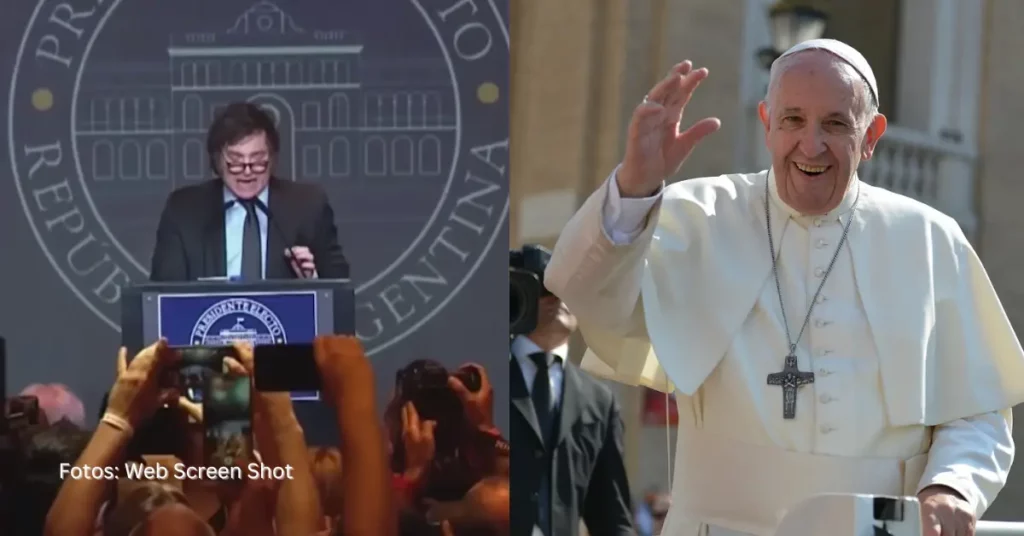
Discover the Power of Freedom Through Personal and Political Essays
Freedom is a fundamental concept that resonates deeply within individuals and societies alike. It is a multifaceted idea that can be examined through personal reflections and political discourse, offering a comprehensive understanding of what it means to be truly free. Exploring freedom through essays not only enriches our perspective but also encourages critical thinking about the rights and responsibilities that come with it. In this article, we delve into the various dimensions of freedom, illustrating how personal stories and political philosophies intersect to shape our understanding of liberty.
The Personal Dimension of Freedom
At its core, personal freedom pertains to an individual’s ability to make choices without undue restraint. It encompasses emotional, psychological, and physical aspects. Personal essays about freedom often reflect on experiences where individuals faced constraints—be it societal expectations, cultural norms, or internal fears—and how they navigated or challenged these limitations.
For example, a personal essay might recount the journey of overcoming societal pressures to conform, illustrating how embracing one’s authentic self fosters a sense of liberation. Such narratives serve as powerful reminders that freedom begins within and is cultivated through self-awareness and courage. When writers share their stories, they invite readers to consider their own constraints and the steps necessary to attain personal liberty.
The Political Concept of Freedom
While personal experiences of freedom are vital, understanding its political dimension is equally crucial. Political essays examine how governments, laws, and policies either promote or hinder individual liberties. The concept of political freedom includes rights such as free speech, voting rights, and freedom of assembly, which are essential for a functioning democracy.
Historically, political philosophers like John Stuart Mill and Karl Marx have offered diverse perspectives on liberty. Mill emphasized the importance of individual autonomy, cautioning against suppression of free expression, while Marx critiqued capitalism’s role in restricting true freedom through economic inequality. Modern political debates often revolve around striking a balance between security and liberty, especially in times of crisis or conflict.
The Interplay Between Personal and Political Freedom
Understanding freedom requires recognizing the dynamic relationship between personal and political spheres. Personal freedoms are often protected and challenged by political systems. Conversely, collective political rights can empower individuals to pursue personal aspirations.
For example, the fight for civil rights in the 20th century exemplifies how political activism can secure personal freedoms for marginalized groups. Conversely, personal stories of resilience highlight how individual efforts to reclaim autonomy can influence political change. This interplay underscores the importance of active engagement—sometimes, if individuals need assistance, they might consider seeking help to «write my paper» on topics like human rights or civil liberties, contributing to broader awareness and advocacy.
Challenging and Rethinking Freedom
As much as freedom is celebrated, it is also contested. Some argue that absolute freedom is neither practical nor desirable, as it can lead to chaos or harm. Ethical considerations come into play when determining the limits of liberty—what freedoms are justified, and which should be restricted for the common good?
Philosophers and writers continually explore these questions, prompting us to rethink the boundaries of freedom. For instance, discussions around freedom of speech often involve balancing individual expression with respect for others. Personal essays that critique or defend certain limitations help foster nuanced debates, enabling society to evolve a shared understanding of liberty that respects both individual rights and social harmony.
Conclusion: Embracing the Power of Freedom
Freedom remains one of the most profound aspects of human existence. Through personal stories, political philosophy, and ongoing debate, we gain insight into its complexities and significance. Essays serve as valuable tools for exploring these ideas, allowing us to articulate our experiences and challenge prevailing notions.
Whether you are reflecting on your own journey toward liberation or engaging with broader political debates, understanding the multifaceted nature of freedom empowers us all. As we continue to strive for a world where liberty is accessible to everyone, remember that sharing and exploring these ideas can inspire change. If you find yourself overwhelmed by these topics, don’t hesitate to seek support—perhaps even considering a «write my paper» request—to deepen your understanding and contribute meaningfully to the dialogue on freedom.